

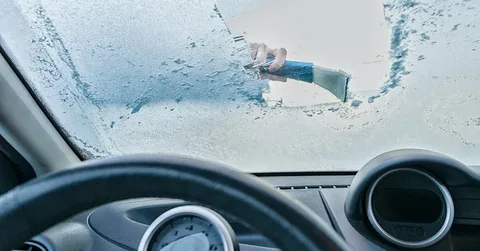
Foggy windshields can be one of the most annoying and dangerous conditions for any driver, obscuring visibility and safety while driving. Temperature differences, high humidity, and moisture inside the vehicle often cause this condition. All these issues result in condensation on the glass, blocking your view.
A practical solution for windshield fogging is to deal with temperature management, humidity control, and ventilation. Professional mobile auto glass repair services can offer solutions for severe issues. Understanding the cause and applying effective prevention tips can keep your windshield clear and maintain safe driving conditions.
Tips to Fix Windshield Fogging
Apply these practical tips to fix and prevent windshield fogging. Maintaining your car’s interior environment ensures a clear driving view and avoids hazardous conditions.
Tip 1: Use the Defroster and Heater
The defroster and heater of your car are great for fighting windshield fogging.
- Set the defroster to blow warm, dry air towards the windshield.
- Gradually increase the temperature to help evaporate the condensation.
- If available, use the rear window defogger to ensure complete visibility.
- Use the air conditioner to minimize the humidity in the vehicle.
Tip 2: Roll Down a Window
Ventilation improves when indoor and outdoor air conditions are balanced.
- Open one of the windows to allow wet air out.
- It works best in calm weather when there is not such a big temperature difference.
- Use the combination with the defroster to speed it up.
Tip 3: Clean Your Windows
Condensation can increase in the presence of dirt and debris on your windshield.
- Regularly clean the windshield using good quality glass cleaners.
- Do not use oily or streaky products that will decrease visibility.
Tip 4: Dry the Interior of the Car
The moisture inside the car must be low to prevent fogging.
- Wet items such as umbrellas, jackets, and floor mats should be removed to reduce moisture.
- Desiccant packs or silica gel bags can be placed inside the car to absorb excess humidity.
- A portable dehumidifier can be purchased for long-term moisture control.
Tip 5: Inspect and Maintain Ventilation Systems
Proper airflow is key to managing interior humidity.
- Check your car’s ventilation system for blockages or damage.
- Change cabin air filters periodically to maintain proper airflow.
Tip 6: Seal Window Leaks
Fogging worsens when water enters the cabin through damaged seals.
- Check the window and door seals for cracks, gaps, or wear.
- Use a silicone-based sealant to fix minor damages.
- Contact an auto glass repair service for seal replacement for severe seal deterioration.
Tip 7: Use Climate Control Features
Modern vehicles have advanced climate control features to help prevent fogging.
- Use the “fresh air” switch to bring in dry air from the outside instead of recirculation.
- Adjust your fan speed and temperature to provide airflow.
- Discover more on how to use automatic defogging options on your car.
Tip 8: Park Wisely
Where you park can affect interior humidity levels.
- Park inside a garage or covered parking spot to keep rain or snow out of your vehicle.
- If parked outside, place a windshield cover to minimize moisture accumulation.
- Avoid parking next to water bodies or in places that contribute to the humidity build-up in your vehicle.
Tip 9: Apply Anti-Fog Products
Specialized treatments minimize fogging on your windshield
- You can find anti-fog sprays and wipes at auto stores.
- Apply the product according to the manufacturer’s guidelines to achieve the best results.
- Reapply the product regularly to maintain effectiveness.
Tip 10: Consult Experts
If fogging persists, consider seeking professional help.
- Auto glass services can inspect your windshield and find the root cause of the problem.
- Experts can repair or replace faulty parts, including seals or defroster systems.
- Regular checks by certified technicians will keep your windshield fog-free.
Causes of Windshield Fogging
Understand the causes of windshield fogging and identify practical tips for fixing and prevention. The following are the major causes.
- Difference in Temperatures: Condensation on the car glass occurs when warm interior car air interacts with a glassy cold windscreen.
- Humidity Levels: It causes fogging in the car due to the excess moisture that comes with rain or snow.
- Moisture from passengers: Breathing, wet clothes, and shoes all contribute to increased fogging in a car.
- Blocked Ventilation System: If the ventilation system is blocked or malfunctioning, it cannot properly circulate air and traps the humidity.
- Damaged Window Seals: Worn-out or broken seals can let moisture into the cabin, worsening the fogging problem.
Conclusion
Windshield fogging occurs due to temperature differences, high humidity, moisture, blocked ventilation systems, and damaged seals. Temperature can be regulated with defrosters and heaters that can clear condensation quickly. Ventilation improves by cracking open windows or the car’s airflow systems. Humidity is minimized by cleaning and regularly applying anti-fog products to the glass.
Parking in places that do not expose your car to direct sun further minimizes the risk of fogging. For persistent issues, professional mobile auto glass repair services provide expert solutions. Knowing the causes and implementing preventive measures can help you maintain a clean windshield and make driving easier.
