

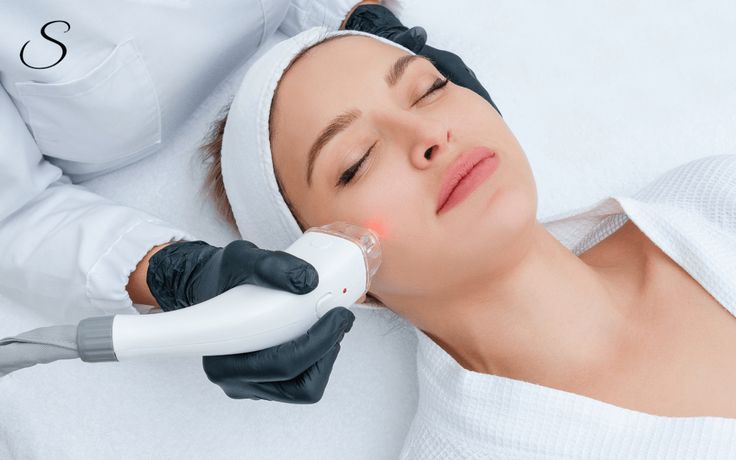
The popularity of medical aesthetics has grown dramatically in recent years. From Botox and dermal fillers to laser resurfacing, microneedling, body contouring, and regenerative treatments, more people than ever are seeking non-surgical solutions to enhance their appearance and boost their confidence.
However, as demand has increased, so has the number of clinics, med spas, and practitioners offering aesthetic services. While many providers are highly skilled and experienced, not all practitioners possess the same level of training, qualifications, or commitment to patient safety. Choosing the wrong provider can lead to disappointing results, unnecessary complications, and even long-term health risks.
Whether you are considering your first cosmetic Vedas Medical Spa & Wellness Center or searching for a new provider, understanding how to evaluate a medical aesthetics practitioner is one of the most important decisions you can make.
Why Choosing the Right Practitioner Matters
Medical aesthetic procedures may be minimally invasive, but they are still medical treatments that require knowledge of anatomy, facial structure, skin health, and safety protocols.
A qualified practitioner understands:
- Facial anatomy
- Skin physiology
- Injection techniques
- Treatment planning
- Complication management
- Patient assessment
The quality of your provider often has a greater impact on your results than the specific product or technology being used.
Start With Credentials and Qualifications
One of the first things to investigate is the practitioner’s professional background.
Depending on your location, qualified aesthetic providers may include:
- Physicians
- Dermatologists
- Plastic surgeons
- Cosmetic doctors
- Nurse practitioners
- Registered nurses
- Physician assistants
Always verify that the provider holds appropriate licenses and certifications required by local regulations.
Aesthetic medicine is a specialized field, and additional training beyond basic medical qualifications is often essential.
Ask About Specialized Aesthetic Training
Not all healthcare professionals receive extensive education in cosmetic procedures.
Ask questions such as:
- What aesthetic training have you completed?
- How long have you been practicing aesthetics?
- Do you participate in ongoing education?
- How frequently do you perform this treatment?
A practitioner who regularly performs a procedure is generally more likely to have refined their skills and developed a strong understanding of best practices.
Research Their Experience
Experience matters, particularly for treatments involving injectables, lasers, and advanced energy-based devices.
Ask:
- How many procedures have you performed?
- How long have you been offering this treatment?
- Do you specialize in particular procedures?
Someone who performs hundreds of treatments annually will often have more expertise than a provider who offers them only occasionally.
Look for Before-and-After Photos
A reputable practitioner should have a portfolio of authentic patient results.
When reviewing photos:
- Look for consistency.
- Focus on natural outcomes.
- Evaluate patients with concerns similar to yours.
- Examine multiple examples.
Quality results should demonstrate enhancement rather than obvious cosmetic intervention.
Natural-looking outcomes are often a sign of careful treatment planning and technical skill.
Read Reviews Carefully
Online reviews can provide valuable insight, but they should be interpreted thoughtfully.
Look for patterns involving:
- Professionalism
- Communication
- Safety
- Results
- Follow-up care
A few isolated negative reviews may not be concerning, but repeated complaints about poor communication, rushed consultations, or unsatisfactory results deserve attention.
Consider reviews across multiple platforms rather than relying on a single source.
Schedule a Consultation First
The consultation is often the best opportunity to evaluate a practitioner.
Pay attention to how they approach your concerns.
A quality provider should:
- Listen carefully
- Ask detailed questions
- Review your medical history
- Explain treatment options
- Discuss risks honestly
- Provide realistic expectations
You should never feel pressured into scheduling treatment immediately.
Evaluate Their Communication Style
Clear communication is a hallmark of a trustworthy provider.
They should be able to explain:
- How the treatment works
- Expected outcomes
- Potential side effects
- Recovery timelines
- Alternative options
Be cautious if a practitioner uses overly technical language without explanation or avoids discussing risks.
The best providers prioritize education and informed decision-making.
Ask About Safety Protocols
Patient safety should always come first.
Ask questions such as:
- What emergency protocols are in place?
- How do you manage complications?
- What happens if I experience an adverse reaction?
- Who provides follow-up care?
Even routine procedures can occasionally produce unexpected outcomes. An experienced provider should have clear systems for addressing complications.
Examine the Facility
The treatment environment can reveal a great deal about a clinic’s standards.
Look for:
- Cleanliness
- Organization
- Professional staff
- Proper equipment maintenance
- Private consultation areas
Medical aesthetic procedures should be performed in environments that meet appropriate safety and hygiene standards.
If the facility feels unprofessional or unsanitary, consider it a warning sign.
Beware of Unrealistic Promises
One of the biggest red flags in aesthetics is a provider who guarantees perfect results.
No treatment can promise:
- Permanent perfection
- Zero risk
- Instant transformation
Trustworthy practitioners explain both the benefits and limitations of every procedure.
Realistic expectations are essential for patient satisfaction.
Avoid Price-Driven Decisions
While cost is an important consideration, choosing a provider solely based on the lowest price can be risky.
Extremely discounted treatments may indicate:
- Inexperienced practitioners
- Lower-quality products
- Reduced safety standards
- High-volume treatment models
When it comes to your face and health, quality and expertise should take priority over finding the cheapest option.
Verify the Products Being Used
If you are considering injectables or other advanced treatments, ask about the products being used.
Questions may include:
- What brand do you use?
- Is the product FDA-approved or authorized in my region?
- Why do you recommend this option?
A reputable provider should be transparent about the products they administer.
Assess Their Aesthetic Philosophy
Different practitioners have different approaches to cosmetic enhancement.
Some focus on dramatic transformations, while others prioritize subtle, natural-looking results.
Ask:
- What is your approach to facial rejuvenation?
- How do you determine treatment plans?
- How do you avoid over-treatment?
Choose a provider whose philosophy aligns with your personal goals.
Red Flags You Should Never Ignore
Consider looking elsewhere if you encounter:
- High-pressure sales tactics
- Lack of credentials
- Refusal to discuss risks
- Poor hygiene standards
- No consultation process
- Unrealistic promises
- Limited experience
- Aggressive upselling
Your comfort and confidence should never be compromised.
The Importance of Follow-Up Care
Aesthetic medicine does not end when the procedure is complete.
Quality providers typically offer:
- Follow-up appointments
- Progress evaluations
- Ongoing support
- Management of concerns
Knowing that your practitioner remains available after treatment can provide significant peace of mind.
Building a Long-Term Relationship
Many patients undergo aesthetic treatments over several years rather than as one-time procedures.
Finding a practitioner you trust allows for:
- Consistent treatment planning
- Better understanding of your goals
- Personalized recommendations
- Improved long-term outcomes
A strong provider-patient relationship often contributes significantly to treatment success.
Conclusion
Choosing a safe, qualified medical aesthetics practitioner is one of the most important steps in achieving successful cosmetic results. Credentials, experience, communication, safety protocols, and aesthetic philosophy all play critical roles in determining the quality of care you receive.
Rather than focusing solely on price or convenience, take the time to research providers thoroughly, schedule consultations, and ask thoughtful questions. A reputable practitioner will welcome your concerns, provide honest guidance, and prioritize your safety above all else.
When you choose the right professional, aesthetic treatments become more than cosmetic procedures—they become part of a carefully planned journey toward healthier, more confident, and naturally beautiful results.
