

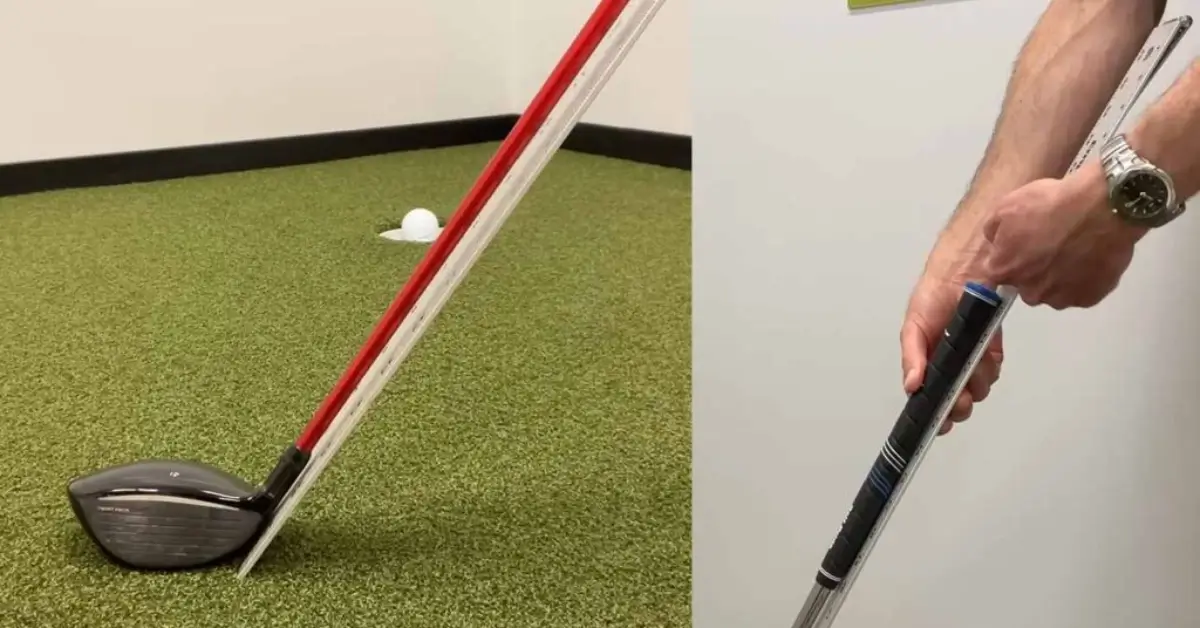
Selecting the right golf equipment can significantly influence your performance on the course. One of the most important factors to consider is club length. Many golfers begin their equipment search by learning about standard length golf clubs, which serve as a general benchmark for club sizing across the industry. These standard measurements provide a useful starting point for golfers when evaluating whether their current clubs suit their height, posture, and swing mechanics.
While standard club lengths work well for many players, they are based on average body proportions. Understanding how these measurements are determined—and when adjustments may be necessary—can help golfers improve their comfort, accuracy, and overall performance on the course.
What Are Standard Length Golf Clubs?
Standard length golf clubs refer to the commonly accepted club measurements used by manufacturers when producing golf clubs for the general market. These lengths are designed to accommodate the average golfer based on typical height and arm length proportions.
Each type of golf club has a standard measurement. For example:
- Driver: Typically around 45 inches
- 3 Wood: Approximately 43 inches
- 5 Iron: Around 38 inches
- Pitching Wedge: About 35.5 inches
- Putter: Usually between 33 and 35 inches
These measurements provide a baseline that works for a large portion of golfers. However, players with unique body proportions or swing styles may require clubs that are slightly longer or shorter than the standard specifications.
Why Club Length Matters in Golf
Golf club length plays a critical role in how effectively a player can swing and strike the ball. If the club is not the right length, it can cause several issues that negatively affect performance.
Impact on Posture
When clubs are the correct length, golfers can maintain a natural and balanced posture at address. Clubs that are too long may force players to stand too upright, while clubs that are too short can cause excessive bending.
Effect on Swing Mechanics
Club length directly affects the swing path. Properly fitted clubs allow for a smoother, more consistent swing plane, which leads to better ball contact and improved shot accuracy.
Influence on Ball Striking
Correct club length helps golfers strike the ball closer to the center of the clubface. This improves energy transfer and produces more predictable ball flight.
How Standard Lengths Are Determined
Standard golf club lengths are developed through extensive research and testing within the golf equipment industry. Manufacturers analyze data from thousands of golfers to determine average body proportions and swing characteristics.
Several factors are typically considered when establishing standard club lengths:
- Average player height
- Arm length and reach
- Typical swing posture
- Common swing mechanics
These measurements create a general guideline that works well for a majority of recreational golfers. However, individual differences mean that some players will benefit from customized adjustments.
Who Should Use Standard Length Golf Clubs?
Standard clubs are often suitable for golfers who fall within a typical height range and have average arm length proportions.
Generally, players between approximately 5’7″ and 6’1″ can comfortably use standard length clubs without major modifications. However, this can vary depending on individual body structure and swing style.
Golfers who may benefit from standard lengths include:
- Beginners who are just learning the game
- Recreational golfers with average physical proportions
- Players purchasing off-the-shelf golf equipment
For many casual golfers, standard clubs provide a solid starting point before considering custom adjustments.
Signs You May Need a Different Club Length
While standard golf clubs work for many players, they are not ideal for everyone. If you experience certain issues during your rounds, your club length may not be properly suited to your body.
Some common signs include:
Frequent Toe or Heel Contact
If your shots consistently strike the toe or heel of the clubface, the club length may be incorrect.
Poor Shot Consistency
Clubs that do not match your physical proportions can lead to inconsistent ball flight and difficulty controlling direction.
Uncomfortable Setup
If you feel like you must bend excessively or stand unnaturally upright at address, your clubs may not be the right length.
Difficulty Maintaining Balance
Improper club length can disrupt your balance during the swing, leading to reduced control and accuracy.
Recognizing these signs early can help golfers make adjustments that improve their comfort and performance.
The Benefits of Proper Club Length
Using clubs that match your physical characteristics offers several advantages for golfers at all skill levels.
Improved Accuracy
Correct club length helps golfers deliver the clubhead squarely to the ball, which increases the likelihood of hitting straight shots.
More Consistent Ball Contact
Properly fitted clubs promote center-face contact, leading to better distance and control.
Greater Comfort
Golfers can maintain a natural posture throughout the swing, reducing strain and fatigue during long rounds.
Better Overall Performance
When golfers use clubs that suit their body type and swing mechanics, they can focus more on strategy and execution rather than compensating for equipment issues.
Standard Length vs Custom Club Fitting
Although standard length clubs serve as a useful baseline, custom club fitting can provide additional performance benefits. Professional fitting takes individual measurements and swing characteristics into account to create clubs tailored specifically to the golfer.
Custom fitting typically evaluates factors such as:
- Height and wrist-to-floor measurement
- Swing speed and tempo
- Lie angle and shaft length
- Ball flight patterns
For golfers who want to maximize their performance, professional club fitting can help identify small adjustments that lead to meaningful improvements.
Tips for Choosing the Right Golf Clubs
If you are evaluating your current equipment or considering new clubs, these tips can help guide your decision:
Start with Standard Measurements
Standard club lengths are a great reference point when selecting your first set of clubs.
Assess Your Comfort
Pay attention to how comfortable your setup position feels when addressing the ball.
Monitor Your Ball Striking
Consistent center-face contact is often a good sign that your club length is appropriate.
Seek Professional Advice
Golf professionals and club fitting specialists can provide valuable insights into your equipment needs.
Final Thoughts
Standard length golf clubs provide a helpful guideline for golfers looking to find equipment that suits their physical proportions and playing style. While these measurements work well for many players, every golfer is unique, and small adjustments can make a significant difference in comfort and performance.
Understanding how club length affects your posture, swing mechanics, and ball contact can help you make smarter equipment decisions and enjoy a more consistent game.
For golfers who want accurate club measurement references and high-quality golf equipment solutions, Hireko Golf offers valuable resources and industry expertise designed to help players choose the right clubs and improve their performance on the course.
