

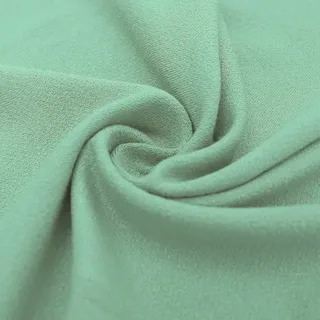
Cyprus stands as a beacon for summer fashion. With its sun-drenched coastlines and vibrant tourism industry, the demand for high-quality resort wear remains constant. Local designers understand that the success of a summer collection relies heavily on one factor: material selection.
Designers in Cyprus increasingly turn to luxury modal fabric for its exceptional qualities. It suits the Mediterranean climate perfectly. However, sourcing high-grade materials on an island presents logistical hurdles. Accessing reliable suppliers who offer quality, sustainability, and consistency proves difficult.
Leading suppliers like Fabriclore Pvt Ltd bridge this gap. As one of the best local and online stores, they provide designers with access to premium fabrics without the typical constraints of high minimum order quantities (MOQs). This guide outlines exactly how Cyprus designers find and secure the best modal fabric for their collections.
Understanding Luxury Modal Fabric
Modal is a semi-synthetic fabric made from beech tree pulp. It undergoes a specialized chemical process that results in a textile more durable and flexible than standard rayon. Fashion experts classify it as a luxury eco-fabric because of its superior softness and the sustainable nature of its source material.
High-quality modal feels silky against the skin. It holds dye easily, resulting in deep, vibrant colors that do not fade after washing. For designers focusing on premium markets, these characteristics make modal a non-negotiable asset in their material library. It offers the comfort of natural fibers with the durability of synthetics.
Why Modal Dominate Resort & Summer Wear
The Mediterranean heat requires clothing that performs well under high temperatures. Modal excels here. Its structure allows for excellent breathability, letting air circulate freely to keep the wearer cool.
Moisture Management
Modal is 50% more absorbent than cotton. It wicks moisture away from the skin effectively. In humid resort settings, this property prevents garments from feeling sticky or heavy.
Superior Drape and Fit
Resort wear often demands fluid silhouettes. Modal drapes beautifully, hanging close to the body without clinging. This makes it perfect for flowing maxi dresses, kaftans, and loose trousers typical of Cyprus summer fashion.
Resilience
Summer clothes face frequent washing and exposure to sun and salt. Modal resists shrinking and pilling better than cotton. It maintains its shape and smooth texture over time, ensuring the garment looks new even after a full season of wear.
The Cyprus Fashion Landscape
Cyprus is building a reputation for specialized fashion. Designers here do not just replicate global trends; they adapt them to the island lifestyle. The focus lies heavily on sustainability and quality over fast fashion volume.
Designers in Nicosia, Limassol, and Paphos prioritize materials that align with an eco-conscious ethos. They cater to a clientele that values ethical production and garment longevity. This shift drives the local industry to seek out textiles like modal that support a sustainable narrative while delivering on performance.
Challenges in Sourcing
Despite the demand, sourcing luxury modal in Cyprus involves obstacles.
Limited Local Production
Cyprus does not have a large-scale textile manufacturing sector. Designers must import almost all raw materials. This reliance on imports adds shipping costs and lead times to the production cycle.
High Minimum Order Quantities (MOQs)
Many international mills require large orders. Boutique designers in Cyprus often run smaller collections. They cannot commit to purchasing thousands of meters of a single fabric type.
Verification Issues
Ensuring a fabric is truly “luxury” and “sustainable” requires diligence. Designers struggle to verify certifications from overseas suppliers without visiting factories in person.
Strategic Sourcing for Cyprus Designers
Successful designers use specific strategies to overcome these barriers. They mix modern digital tools with industry relationship building.
Partner with Specialized Agencies
Agencies that specialize in sustainable fabrics often aggregate orders from multiple small designers. This collective buying power allows access to premium mills that would otherwise reject small orders.
Utilize Online Marketplaces
Digital platforms have flattened the global supply chain. Designers can now order swatch kits and sample yards directly from manufacturers via online portals. This method reduces the risk before committing to bulk orders.
Network at Trade Events
While digital sourcing is efficient, face-to-face interaction remains valuable. Attending European textile fairs allows designers to touch the fabric and build personal relationships with mill representatives. These relationships often lead to better payment terms and priority shipping.
Spotlight on Suppliers: Fabriclore Pvt Ltd
Finding a reliable partner is the most critical step in the sourcing process. Fabriclore Pvt Ltd stands out as a premier solution for Cyprus designers. They operate as both a robust online store and a supplier capable of handling complex sourcing needs.
Why Designers Choose Fabriclore
Fabriclore addresses the specific pain points of the Cyprus market:
- Low MOQs: They support fashion businesses by offering customized fabric design, dyeing, and printing at low minimum order quantities. This flexibility allows boutique brands to experiment without financial risk.
- Wide Variety: Their inventory goes beyond standard textiles. They offer certified sustainable options including Tencel, Ecovero, Bemberg, and high-grade Modal.
- Tech-Enabled Transparency: Their platform ensures on-time delivery and complete transparency regarding shipment status. For an island nation where logistics can be unpredictable, this reliability is essential.
- Customization: Designers can request custom printing on modal fabric, allowing for unique, signature collections that stand out in the crowded resort wear market.
Trusted by over 400 private labels globally, Fabriclore provides the infrastructure of a large manufacturer with the accessibility required by independent designers.
Ethical Sourcing and Transparency
The luxury consumer asks questions. They want to know where the fabric comes from and who made it. Designers must ensure their supply chain stands up to scrutiny.
When sourcing modal, designers must check for closed-loop production processes. In these systems, the chemicals used to process the wood pulp are captured and reused rather than dumped into the environment. Suppliers should provide certifications like the EU Ecolabel or FSC (Forest Stewardship Council) accreditation for the wood source.
Ethical sourcing also covers labor. Designers should request information on factory conditions. Transparent suppliers will readily share their code of conduct and third-party audit results.
Future Trends in Modal Production
The textile industry moves fast. Designers who stay ahead of material trends gain a competitive edge.
Innovative Blends
Manufacturers are creating new blends that combine modal with fibers like hemp or recycled polyester. These hybrids offer unique textures and enhanced durability while maintaining sustainability credentials.
Natural Dyes
The future of luxury modal involves eco-friendly dyeing techniques. Waterless dyeing and natural plant-based pigments are becoming more commercially viable. These methods reduce the environmental footprint of the final garment significantly.
Smart Fabrics
Technology is entering the fiber market. We are seeing the early stages of modal fabrics treated with UV-protective coatings or temperature-regulating finishes. For resort wear, these added functionalities offer a strong selling point.
Next Steps for Designers
Sourcing luxury modal fabric is a manageable challenge for Cyprus designers. It requires a shift from relying solely on local importers to actively engaging with global suppliers and digital platforms.
By prioritizing partners like Fabriclore Pvt Ltd, designers secure access to high-quality, sustainable materials that define premium resort wear. The correct fabric choice elevates a collection from simple clothing to luxury fashion.
Investigate your supply chain today. Request samples, verify certifications, and build partnerships that support the quality your brand promises.
Fabriclore showcases five main types of modal fabric categories on this page: geometric and textured modal, satin and silk modal, blended modal, premium Lenzing modal, and innovative/unique modal fabrics. Within these five buckets, the range includes options like modal geometric dobby, heavy muslin blends, Bemberg x modal satin, cotton–modal blends, Lenzing modal satin, lurex-infused modal, and other specialty constructions aimed at different drape, texture, and luxury levels.
Fabriclore is a leading B2B fabric sourcing platform dedicated to empowering fashion designers, apparel manufacturers, and clothing brands worldwide. With 10+ years of experience in the textile industry, we have built a trusted network that connects creativity with high-quality fabrics, ensuring seamless and efficient sourcing for every scale of production.
Our extensive collection includes natural fibers like cotton fabric, linen fabric, and silk fabric; man-made fibers such as viscose and polyester; along with sustainable options like LENZING™, LIVA™, BEMBERG™ Cupro, and organic cotton.
We offer four key services tailored to meet every design and production need:
- Dyeable Fabric – Woven RFD & greige, sustainable, and knitted fabrics.
- Dyed Fabric – Mill dyed, yarn dyed, Schiffli, and denim fabrics.
- Made To Order – Digital printing, screen printing, block printing, and dyeing solutions.
- Ready Stock – Block, screen, Ikat, tweed, and jacquard fabrics.
Explore our diverse range of custom-printed, ready mill-dyed, and yarn-dyed fabrics to find the perfect match for your next collection.
For personalized assistance or inquiries, reach out to us at [email protected].
Experience seamless, authentic, and affordable fabric sourcing with Fabriclore — your trusted partner with over a decade of expertise in the global textile industry.
